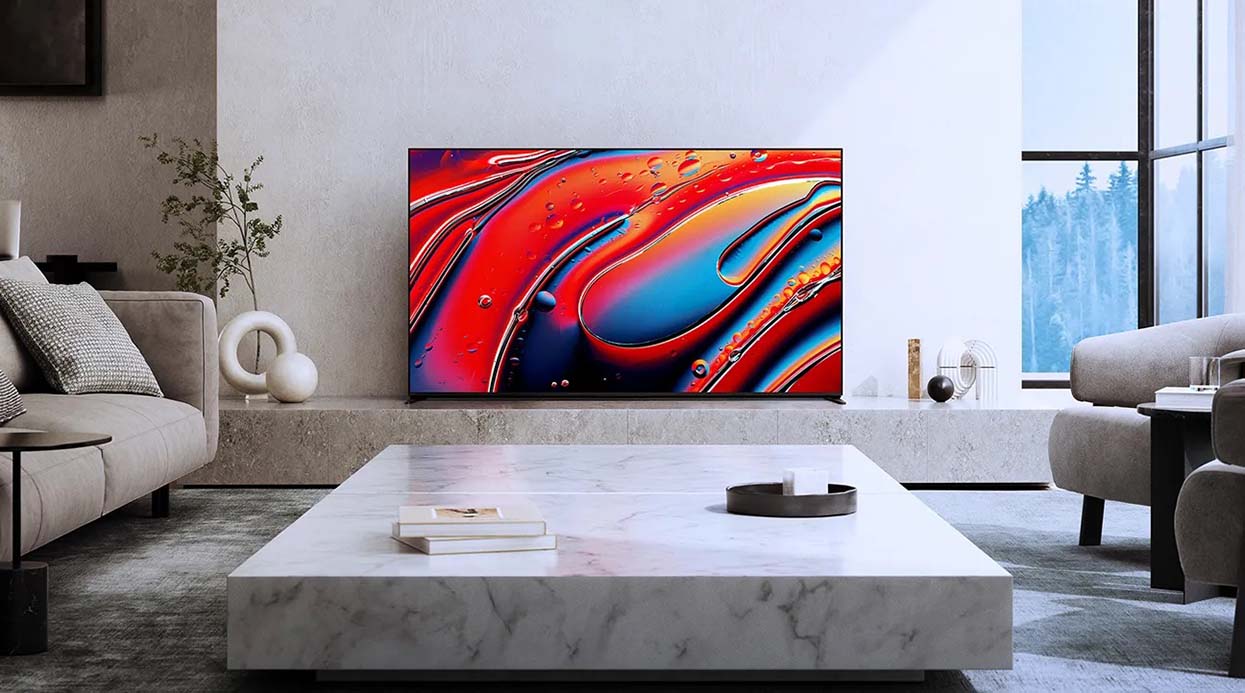
For me, a TV is far more than just a tool for “watching the news or movies.” It’s how I truly relax after work, the centerpiece during social gatherings, and sometimes, my clearest window to the world when I’m alone. That’s why I never compromise on picture quality. And in 2025, two major technologies continue to dominate the conversation in the high-end TV world—Mini LED and OLED.
Both camps have their loyal followers. Mini LED is rapidly gaining ground with its high brightness and precise local dimming capabilities. Meanwhile, OLED maintains its dominance in pure picture quality, thanks to self-emissive pixels that deliver perfect blacks and stunning contrast.
1. What’s the Real Difference Between Mini LED and OLED?
Let’s first clarify the fundamental technology to better understand the comparisons later on.
Mini LED uses significantly smaller and denser LED backlights within a traditional LCD panel. This allows for more precise local dimming zones, greatly enhancing brightness and contrast performance. However, Mini LED still relies on a backlight and is not a self-emissive display.
OLED, on the other hand, is completely different. Each pixel emits its own light, eliminating the need for a backlight. This enables pixel-level brightness control, delivering true blacks, infinite contrast, and ultra-fast response times.
Both technologies are mature in 2025, but for me, what really matters is not specs, but the actual picture quality in real-life scenarios. That’s why I evaluated them using multiple content types—cinematic blockbusters, gaming, high-brightness HDR, and dark room viewing.
2. TCL QM8 2025 Model: The Mini LED Flagship
I chose the 2025 TCL QM8 Mini LED TV as the flagship representative for this category. The version I tested is 75 inches, featuring the latest high-density backlight chip and thousands of dimming zones. Peak brightness goes up to around 3000 nits.
Here are the highlights from my experience:
- Stunning HDR performance: Watching Dolby Vision content on Netflix like Dune was jaw-dropping. The contrast between sunlight and shadow, combined with vivid explosion scenes, created an impressive cinematic feel.
- High peak brightness + local dimming: Even with curtains open in daylight, the screen remained crystal clear and punchy—something OLED couldn’t match. Snowy or sci-fi scenes especially showcased Mini LED’s strengths.
- Excellent gaming experience: I played Horizon Forbidden West on PS5, and the input lag was minimal. It supports VRR and HDMI 2.1, offering sharp, responsive gameplay.
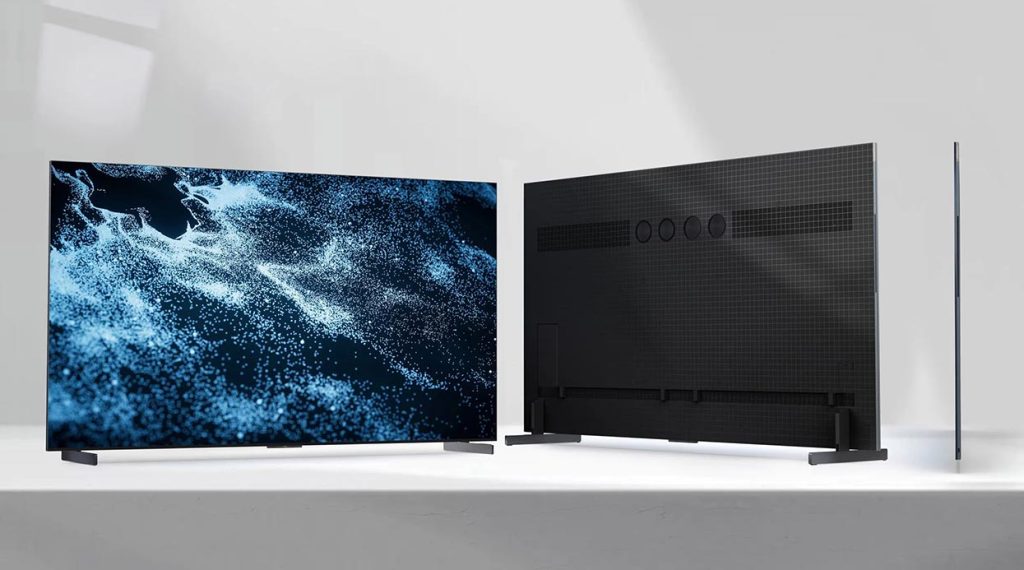
However, it’s not perfect. In dark scenes, especially with white subtitles on black backgrounds, there’s still occasional halo effect. It’s brilliantly bright but lacks the inky black purity of OLED.
Purchase platform: I bought it on amazon.com. Shipping was fast, and it came with standard wall-mount accessories.
3. LG G4 OLED evo: The Pinnacle of Self-Emissive Black
On the OLED side, I went with the LG G4 OLED evo 2025 flagship, part of LG’s Gallery series. OLED TVs have long been the gold standard for picture quality, and this generation features improvements in peak brightness and AI picture processing.
Here’s a summary of my experience:
- Perfect black levels: Watching dark-toned films like The Dark Knight felt incredibly immersive. Blacks were deep and clean, with no grayish haze or light bleed. Subtitles remained sharp without any halo.
- Rich, natural colors: Unlike some overly bright TVs that can be eye-straining, OLED’s palette is smooth and painterly. Animated films from Pixar looked especially vivid yet comfortable.
- Virtually no viewing angle issues: Whether you’re watching from the side or center, the brightness and color remain consistent—great for hosting guests.
Its only weakness is daylight brightness. In very bright rooms, especially with white-heavy content like sports broadcasts, OLED can’t quite match the Mini LED’s punch.
Purchase platform: Also bought on amazon.com. Installation service was seamlessly scheduled.
4. Sony Bravia 9 Mini LED: A Masterclass in Image Processing
I thought the LG G4 and TCL QM8 were enough to represent both camps, but Sony’s Bravia 9 took me by surprise. Though it uses Mini LED backlighting, Sony’s exclusive XR Cognitive Processor delivers a more natural and lifelike picture.
Here’s what impressed me most:
- Natural color and contrast: Watching Blue Planet II, I was stunned by the ocean hues and undersea clarity. The colors didn’t feel “boosted” like LG’s but were instead lifelike and believable.
- More refined local dimming: Compared to TCL, Sony handled dark scenes with fewer halos. And it still had better peak brightness than LG’s OLED.
- Excellent motion handling: Whether it was Formula 1 racing or soccer, motion remained sharp and fluid, with virtually no ghosting or blur.
In my opinion, Sony’s Bravia 9 strikes a strong balance—combining Mini LED brightness with near-OLED precision, especially for professional content viewing.
Purchase platform: Also ordered via amazon.com. Delivery and setup were quick and convenient.
5. From Dark Rooms to Daylight: Which Is More Versatile?
To simulate real-life usage, I tested all three TVs in different environments:
- Movie night in a dark room: OLED wins—its blacks are deeper and more immersive.
- Bright daylight living room: Mini LED excels—its screen punches through ambient light.
- Gaming + HDR content: Sony Bravia 9 stands out—offering balanced brightness and rich shadows.
OLED is best for solitary, nighttime watching. Mini LED works great in all-day living rooms. Sony, meanwhile, is the all-around performer for both casual and critical viewing.
6. Audio and Design: The Overlooked Extras
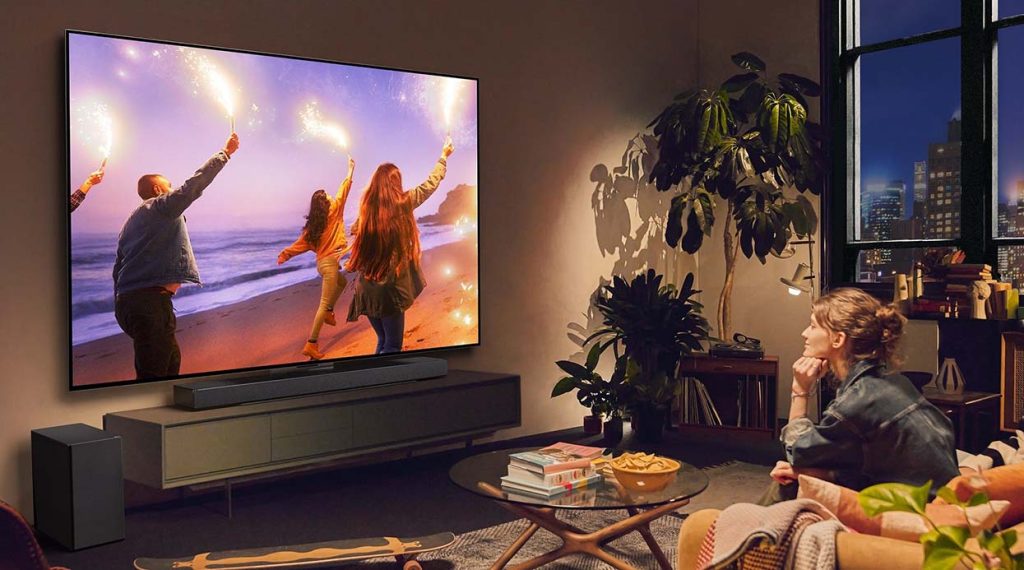
In terms of design, LG G4 is the most artistic. It’s incredibly thin and sits flush against the wall, making it look more like a framed painting. TCL QM8 is a bit bulkier, but its metal frame and floating base give it a tech-forward feel. Sony Bravia 9 is more understated and professional-looking, somewhere in between the two.
For audio, Sony clearly leads with its Acoustic Multi-Audio+ system. The sound feels like it comes from the screen itself. LG also performs well with crisp mids and highs. TCL emphasizes bass, making it suitable for movie lovers who crave cinematic rumble.
7. OLED vs. Mini LED: Which One Should You Buy?
There’s no single right answer—it depends on your needs:
- If you crave the best picture quality, often watch movies at night, and demand perfect blacks, go for the LG G4 OLED.
- If you want maximum brightness, a great daytime viewing experience, and good value, consider the TCL QM8 Mini LED.
- If you want balanced performance across all fronts—picture, brightness, and sound—the Sony Bravia 9 is a safe bet.
8. There’s No Finish Line in Picture Quality
In 2025, there’s no longer a “one-size-fits-all” answer for high-end TVs. Mini LED and OLED aren’t enemies—they simply cater to different needs and spaces.
I’ve spent hundreds of hours watching movies, playing games, and testing content under varied lighting. My biggest takeaway? Don’t obsess over technology labels—let experience define a good TV.
Choose the one that suits your lifestyle, and you’ll find yourself enjoying more than just better resolution—you’ll enjoy life’s moments more deeply. A great TV isn’t just a gadget. It’s your window to the world, and the light that fills your home.
If you’re also thinking about upgrading your TV soon, maybe my hands-on experience can help point you in the right direction.