In recent years, tablets have played an increasingly important role in my daily life. What began as a “streaming companion” has now evolved into a device that handles over 80% of my work, reading, content creation, and light productivity tasks. By 2025, after using the latest generation of tablets, I truly felt that this product category had matured enough to shoulder much more responsibility.
I’d like to share my genuine experience using tablets—how I chose my devices, how I switch between different use cases, how I pair them with accessories, and my full review of several 2025 models that are already on the market. If you’re considering buying a reliable tablet or wondering if one can genuinely integrate into your workflow, I hope my experience offers some valuable insights.
1. My Core Needs from a Tablet
Before choosing a device, I outlined three key priorities:
- Lightweight and portable, but without sacrificing performance
Whether I’m traveling, commuting, or writing in a café, I want it to be as light as paper but as capable as a laptop. - Typing, sketching, reading, and even video editing must be seamless
So a great touchscreen is crucial, but accessories like a keyboard and stylus also need to match my habits. - Reliable battery life and a rich app ecosystem
I don’t want to carry extra chargers, and I expect seamless app performance and smooth multi-device collaboration.
With these requirements in mind, I chose three flagship tablets released in 2025 and already available for purchase:
- Apple iPad Pro 2025 (M4 chip)
- Samsung Galaxy Tab S10 Ultra
- Lenovo Tab Extreme 2
I bought and tested all three through Amazon.com, ensuring they were official international versions with proper after-sales support.
2. Apple iPad Pro 2025: Peak Performance Meets Ecosystem Integration
This generation of the iPad Pro is the first to use the M4 chip, with improved CPU and GPU performance. Paired with the new Ultra Retina XDR display, it handles video editing, photo tuning, LumaFusion, and Procreate effortlessly.
I opted for the 13-inch model, which is only 5.1mm thick—easily one of the lightest tablets I’ve ever used. With the Magic Keyboard and Apple Pencil Pro 2 (now with gesture control and pressure sensitivity), I can create graphics and text content just as efficiently as on a laptop. The new squeeze gesture and customizable shortcuts have greatly boosted my productivity.
Highlights:
- Smooth 4K video editing in Final Cut Pro
- Ultra-fluid drawing and PDF scrolling with the 120Hz ProMotion display
- Smart audio tuning during FaceTime calls with AirPods 4
-1024x570.jpg)
Drawbacks:
- High price tag (around $1800 including keyboard and stylus), not ideal for budget buyers
- iPadOS multitasking, while improved, still falls short of macOS flexibility
3. Samsung Galaxy Tab S10 Ultra: The Performance Benchmark for Android Tablets
This year’s Tab S10 Ultra is powered by the Snapdragon 8 Gen 3 processor and features a stunning 14.6-inch 2K AMOLED display with a 120Hz refresh rate. Combined with a quad-speaker audio system, it delivers a cinematic experience whether I’m watching movies or joining virtual meetings.
Samsung’s DeX mode is a major plus—one tap transforms the tablet into a desktop-like interface. I often connect it to an external monitor and use a wireless keyboard and mouse to handle documents and emails smoothly.
Highly recommended for:
- Typing and drafting on the go with the Book Cover Keyboard
- Taking notes or controlling slides remotely with the built-in, battery-free S Pen
- Seamless sharing of clipboard, files, and notifications with Galaxy smartphones
Shortcomings:
- While DeX is powerful, some apps aren’t yet fully optimized for the big screen
- At 737g (bare device), it’s a bit heavy for long one-handed use
4. Lenovo Tab Extreme 2: The King of Multi-Window Productivity
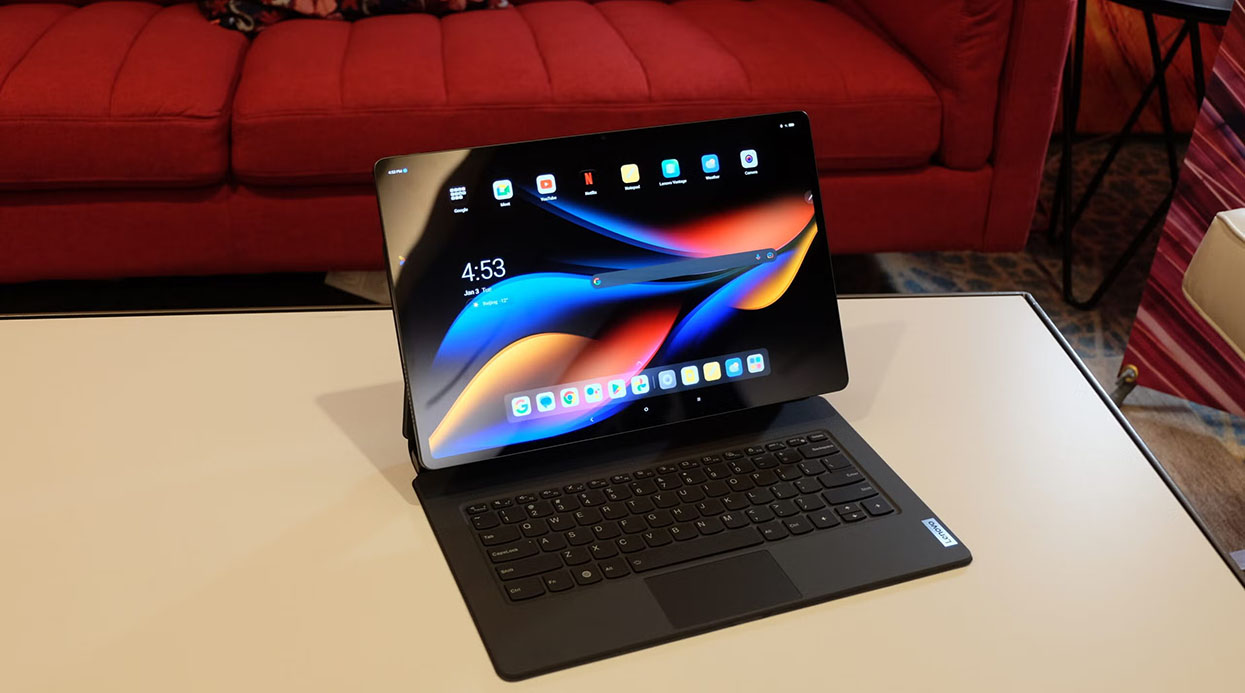
This tablet from Lenovo is designed for productivity and multitasking. It features a vibrant 14.5-inch OLED display with Dolby Vision support. What impressed me most is its ability to handle four split-screen apps and floating windows simultaneously. I often use it to read emails, edit documents, stream music on Bilibili, and follow workout routines on Keep—all at once.
Powered by the MediaTek Dimensity 9300, it doesn’t match the raw performance of the iPad Pro or Samsung’s flagship chip, but it’s more than sufficient for work and entertainment. The Lenovo Precision Pen 3 feels natural and responsive, closely mimicking real handwriting.
Strengths:
- Rich I/O ports, including USB-C and microSD—great for connecting external drives and monitors
- Comes bundled with a keyboard dock and stylus—no need to buy separately
- ZUI for Pad is increasingly refined, with PC-like interface logic
Limitations:
- Still lacks the deep app ecosystem of the iPad, especially for professional creative apps
- Slight lag during heavy video editing tasks
5. Everyday Use Cases: How I Switch Tablet Roles by Task
Writing and Note-Taking
During commutes or travel, I use the iPad Pro with the Magic Keyboard to write. iCloud sync and Shortcuts make it easy to recall common phrases or assets.
Video Editing and Photo Retouching
LumaFusion on iPad Pro is my top choice for editing, while the Galaxy Tab S10 Ultra works well with Adobe Lightroom for image work.
Reading and Meetings
The Lenovo Tab Extreme 2 excels in split-screen meetings while referencing documents. For lightweight reading, I prefer the 11-inch iPad Pro.
Entertainment and Relaxation
The Galaxy Tab S10 Ultra is my top pick for video streaming, thanks to its AMOLED display and rich sound system.
6. Accessory Pairing: Building a Complete Productivity Setup
Here are my most-used accessories, many of which are available on Amazon.com:
- Apple Magic Keyboard / Samsung Book Cover Keyboard / Lenovo original keyboard dock
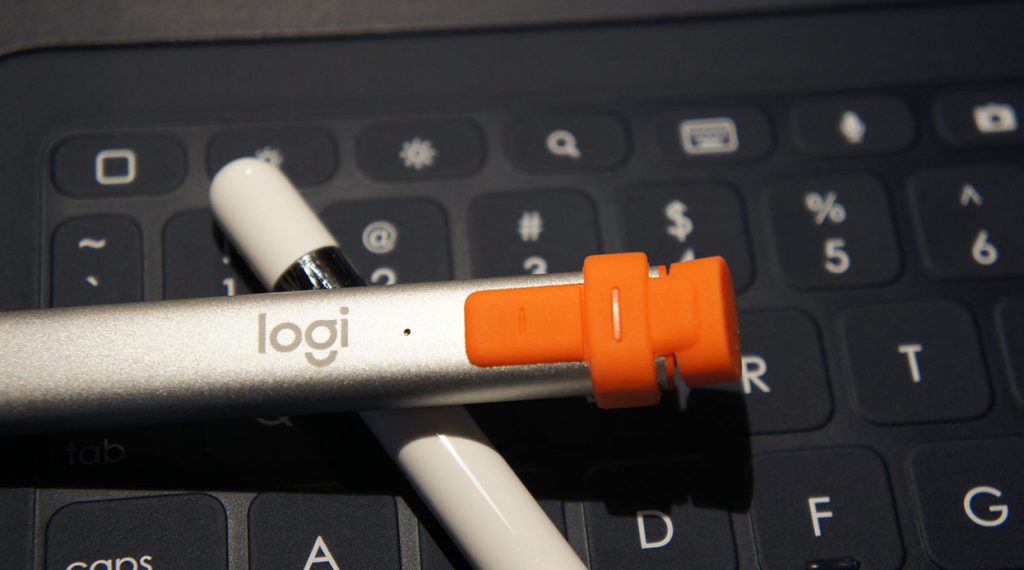
- Logitech Crayon (a budget-friendly Apple Pencil alternative)
- Anker 737 Power Bank (for reliable all-day mobile charging)
- Satechi USB-C Hub (supports HDMI, SD cards, Ethernet)
- GPEL Tablet Stand (sturdy and foldable for travel)
Great accessories make all the difference in turning a tablet into a full-on productivity machine. I’ve tested them all personally and trust their performance.
7. How Tablets Fit Into My Lifestyle
In 2025, my workflow depends more than ever on mobile tools. And tablets have gone from being “nice-to-have” devices to full-fledged productivity platforms. They’re quiet, intuitive, and portable—challenging the belief that you must always rely on a laptop.
More importantly, tablets help me break free from the “desktop trap.” Whether I’m at home, traveling, outdoors, or mid-flight, they remain reliable companions. When I open one, it signals that it’s time to focus.
8. 2025: The Year Tablets Truly Became Primary Devices
This year changed how I view tablets. They’re no longer optional—they’re essential. I no longer ask whether they can replace laptops. Instead, I see them as more flexible, personal tools. Whether you’re a content creator, remote worker, or just looking for efficient tech, the 2025 generation of tablets is mature and ready.