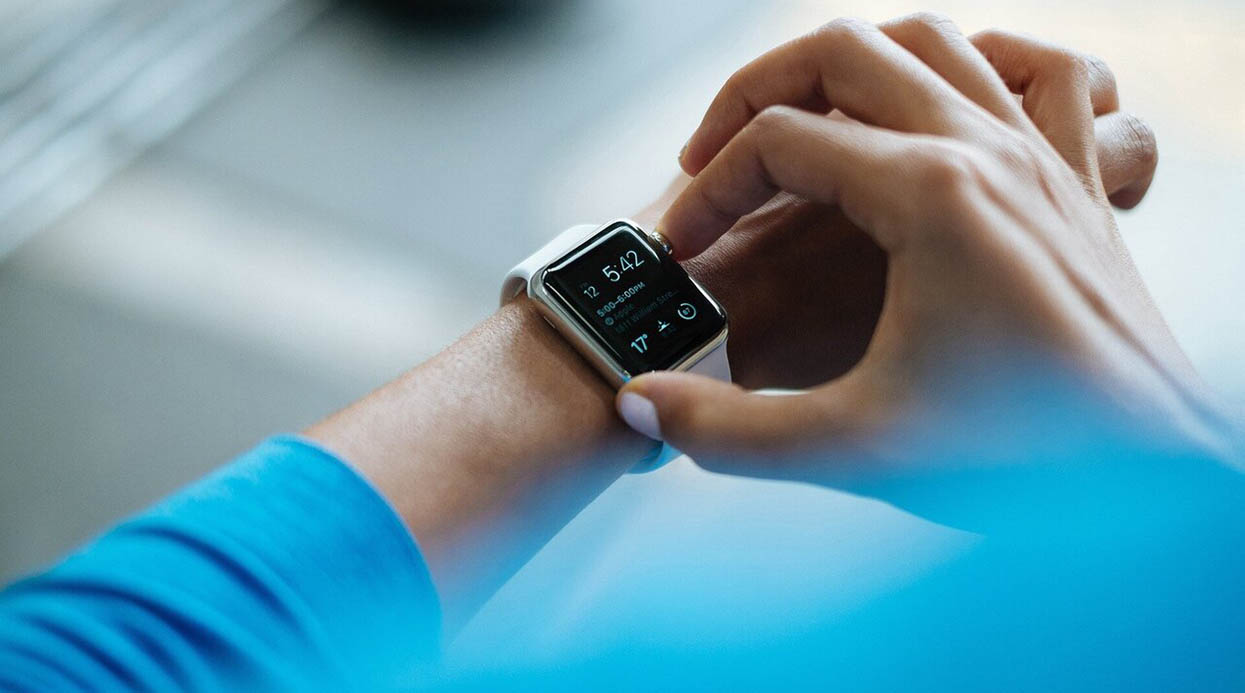
With the rapid development of technology, smartwatches are no longer just fashionable accessories—they have become crucial health tools in our daily lives. More and more smartwatches not only track daily activities, monitor heart rates, and count steps, but also predict potential health issues by analyzing precise physiological data. Among these health concerns, predicting depression is particularly noteworthy, as numerous studies show that smartwatches can help us detect the early signs of depression by collecting and analyzing user data.
I will explore how smartwatches are becoming an effective tool for predicting depression, delve into the technological principles behind it, and share their application prospects in health management. For those who are concerned about their mental and physical health, especially those who wish to detect potential mental health problems earlier, smartwatches offer an unprecedented opportunity for prediction and intervention.
The Rise of Smartwatches and Their Link to Depression
1. Depression: A Health Issue We Can’t Ignore
Depression is a common mental health disorder, affecting approximately 300 million people worldwide, according to the World Health Organization. This emotional disorder not only impacts an individual’s mental state but also profoundly affects daily life, work, social relationships, and overall quality of life. What’s most concerning is that depression can develop quietly without obvious symptoms, meaning many patients are unaware they are suffering from it in the early stages.
In modern medicine, diagnosing depression typically relies on psychological assessments and monitoring clinical symptoms. However, as people increasingly seek health data tracking, more research is focusing on how to identify potential depression risks using early physiological signals. A significant breakthrough in this area is the use of smartwatches, which not only track users’ physical activity in real-time but also monitor various physiological indicators that may correlate with depression.
2. How Smartwatches Monitor Physiological Signals Associated with Depression
Smartwatch technology has become highly advanced, with many brands embedding sensors that monitor multiple physiological metrics, including heart rate, sleep quality, activity levels, and body temperature. These data offer valuable insights to researchers, helping to identify early signs of depression.
Heart Rate Variability (HRV)
Heart rate variability (HRV) refers to the variation in the time intervals between heartbeats, and lower HRV is often associated with higher stress levels and depressive symptoms. Smartwatches are equipped with sensors that monitor HRV in real-time. When HRV remains consistently low, it may indicate potential emotional distress or the onset of depression.
Sleep Patterns
Depression often comes with sleep disturbances, such as insomnia or excessive sleepiness. Smartwatches track users’ sleep patterns, including deep sleep, light sleep, and awake periods, providing valuable data on sleep quality. Studies show that depression sufferers often have poor sleep quality, and smartwatches can help detect such abnormalities.
Physical Activity Levels
People with depression often lack motivation and energy, leading to a decrease in physical activity. Smartwatches track daily activity levels and can help assess users’ exercise routines. A significant decline in activity levels may signal the onset of emotional issues, including depression.
Skin Temperature Changes
Some advanced smartwatches can even track subtle changes in skin temperature. Research suggests that people with depression may experience abnormal temperature regulation. By tracking these temperature variations, smartwatches can offer additional support for early depression prediction.
3. Using Data to Predict Trends in Depression
Modern smartwatches are not just health monitoring devices; their smart analytical capabilities open up great potential for prediction and intervention. Many smartwatch brands have begun to connect with professional health management platforms or mental health apps, analyzing and processing the data using machine learning and AI technologies to predict depression risks.
Personalized Health Feedback
By analyzing long-term user data, smartwatches can identify potential signs of depression and provide personalized health feedback. For example, if the watch detects abnormal HRV or consistently poor sleep quality, it may recommend a mental health evaluation or suggest users consult a professional.
Preventative Recommendations
Some smartwatches can even provide preventive advice based on users’ health data. For instance, if the watch detects a decrease in activity levels, it might remind users to increase their physical activity, which could help improve their mood and reduce the risk of depression.
Connecting with Professional Support
Smartwatches can also connect to medical and mental health platforms, offering immediate mental health support. For example, some watches can directly communicate with counseling services or healthcare providers, helping users receive professional advice and psychological treatment.
The Future Outlook for Smartwatches
1. New Breakthroughs in Predicting Depression
With the continuous advancement of technology, future smartwatches are expected to become even smarter and capable of predicting depression trends with greater precision using more accurate physiological data. Combining AI, data science, and big data analysis, smartwatches are likely to become powerful tools for early diagnosis and intervention in depression.
2. The Profound Impact of Smartwatches on Mental Health
Smartwatches are not only helping users predict and monitor depression, but they may also become an essential part of future mental health management. By combining mental health monitoring with treatment, smartwatches can help us better focus on and maintain mental well-being, reduce the incidence of depression, and contribute to solving global mental health issues.
Recommended Smartwatch Brands
- Apple Watch Series 9
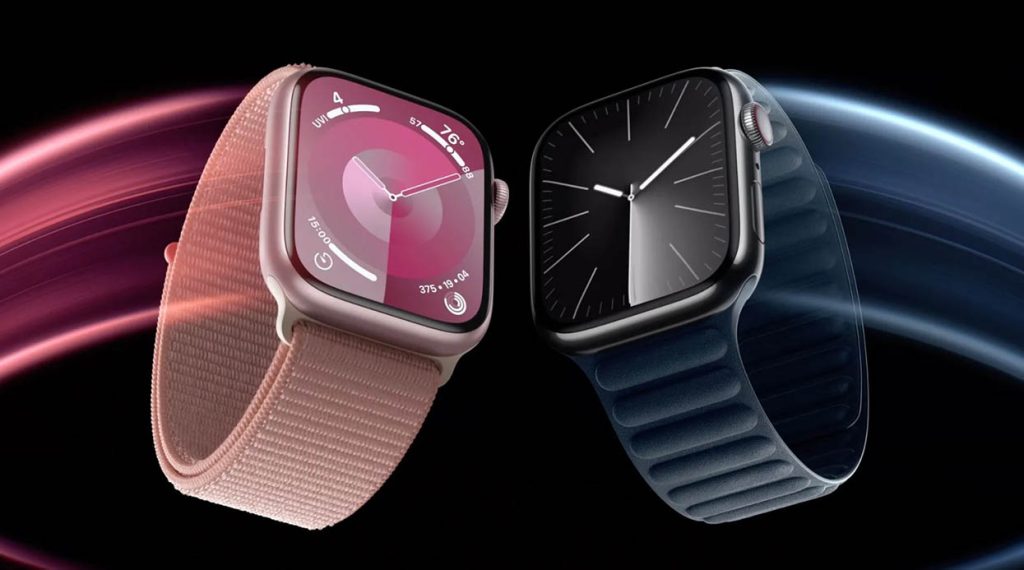
The Apple Watch Series 9 leads the industry in health monitoring. Its heart rate tracking, sleep monitoring, and blood oxygen detection features are perfect for users who want to understand their health trends. By integrating with the Apple Health App, users can stay updated on their health and take appropriate actions. - Garmin Venu 2
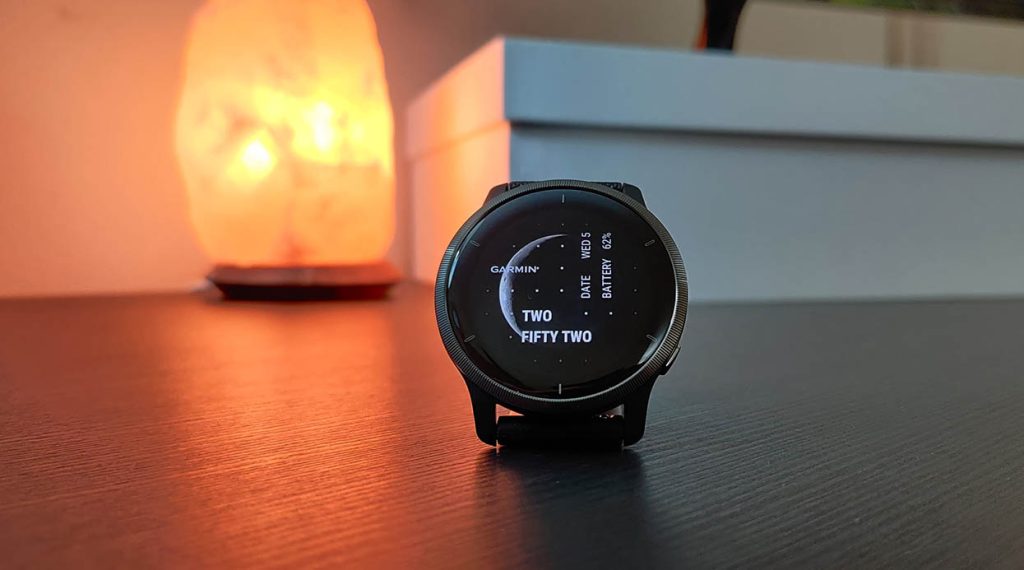
The Garmin Venu 2 is a smartwatch focused on health and fitness, making it ideal for users who prioritize physiological health. With advanced heart rate tracking, sleep monitoring, and stress tracking, it can effectively help identify potential signs of depression.