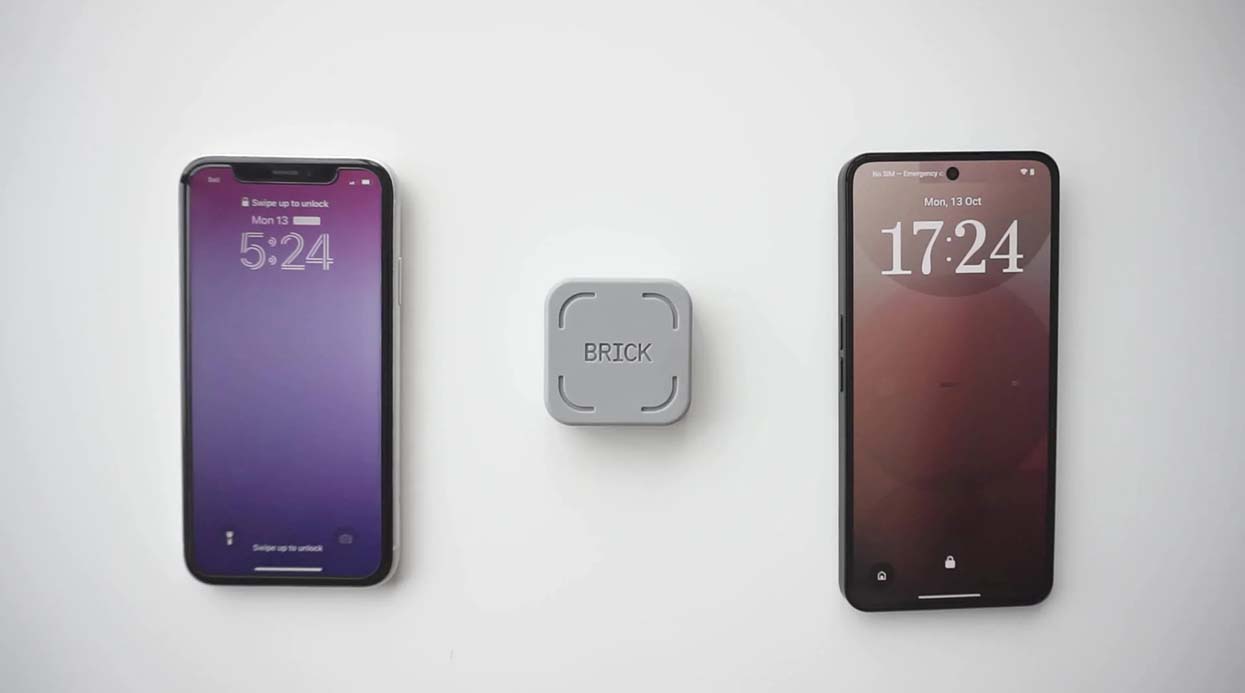
Spending more than 5 hours a day on my phone had become the norm for me. Whether I woke up in the morning or lay in bed at night, I couldn’t resist opening social media, scrolling through short videos, and browsing news. Anxiety, procrastination, and insomnia plagued my daily life. I knew it was unhealthy, but I just couldn’t stop.
I tried various software programs—system screen time, focus mode, app restrictions—but I easily bypassed them almost every time. Just clicking “ignore restrictions” made all the rules ineffective. I gradually realized that the problem wasn’t a lack of willpower, but rather the absence of a truly unavoidable constraint.
So, I got my hands on Brick, a seemingly simple yet powerful physical barrier. It told me: to truly control my phone, I must first regain control of my behavior.
Week 1: Extreme Discomfort and High Anxiety
For the first few days of using Brick, I was almost constantly resisting it. Whenever I subconsciously wanted to unlock my phone to scroll through short videos, I had to get up to grab the Brick and activate it with NFC. This seemingly simple action created a psychological “pause.”
The first time I wanted to browse TikTok at night, I even sat on the bed and hesitated for several minutes, reaching for the Brick, but then thinking, “I have to touch the Brick first.” This resistance made me very uncomfortable, and my anxiety spiked.
My friend Gabby also tried the Brick that same week. She was addicted to browsing negative news, and the first thing she did every morning was check her phone. She confessed, “Before, I watched my precious time slip away, my emotions dictated by the news.” Like me, Gabby paused every time she reached for her phone during the first week. Although the anxiety was strong, at least she had a brief moment of self-awareness.
Week 2: Habit Formation, Increased Focus Time
By the second week, I found myself gradually adapting to the Brick‘s presence. Although I still occasionally had the urge to avoid it, this urge was increasingly easily interrupted by the “physical friction.” I started using Brick with different modes: Study Mode, Deep Work Mode, and Family Mode.
Every day at work, I kept Brick in my desk drawer so I couldn’t unlock my phone unless it was within reach. After two consecutive hours without touching social media, I was surprised to find my work efficiency was at least 30% higher than before.
Guy, my colleague, also joined the trial. He said, “Our whole family is addicted to our phones, especially at night. Brick made me rethink when to use my phone and when to spend time with my family.” In the second week, he also noticed he could focus on reading or spending time with his children for extended periods instead of constantly checking his phone.
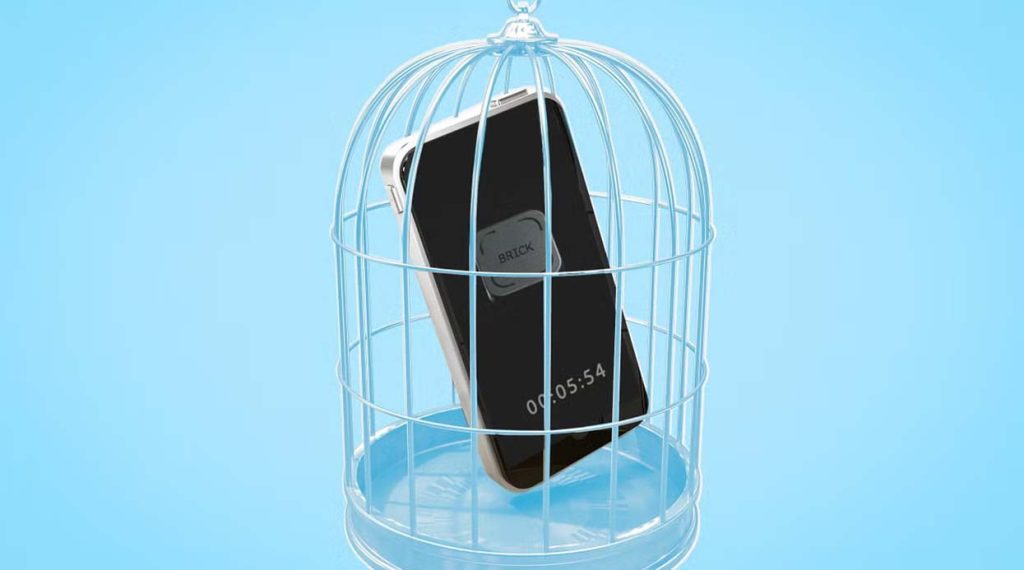
Weeks 3-4: Proactive Phone Use, Back in Control
By the third week, I felt a complete change. My phone was no longer an extension of automatic behavior, but a tool I actively chose. My daily screen time decreased from 5.2 hours to 2.1 hours, and my focus time increased by 300%. I started proactively planning my phone usage, such as for researching or completing work tasks, instead of mechanically scrolling through screens.
Austin shared a similar experience: “I’ve completely cleared that part of my brain. Before, scrolling through my phone was a conditioned reflex; now I ask myself first: Do I really need to look, or is it just a habit?”
Griffin also tried setting app restrictions on his phone, but always ended up clicking “ignore.” He said, “Brick’s physical device gave me a real barrier, allowing me to stop and think about what I was actually doing for the first time.”
This shift not only affected my work and studies but also improved my sleep. I started entering Sleep mode an hour before bed, blocking all entertainment apps and leaving only essential communication and parenting tools enabled. Every night, I place Brick on the other side of my bed, creating a physical barrier, resulting in longer sleep duration and significantly improved sleep quality.
Brick’s Usage Process: Simple Yet Behavioral-Changing
Brick’s operation is very straightforward:
- 1.Select App: In the Brick App, select the apps you want to block and define a custom mode (study, work, family, sleep).
- 2.Tap the bricks: Simply tap your phone against the Brick device to activate the session, and your phone enters a blocked state.
- 3.Reclaim control of your time: Under Brick‘s constraints, your phone becomes a tool, not a distraction.
I even used Brick to simulate the concept of “keys leaving a room”—before I leave home, my phone automatically becomes a non-interfering device, and I unlock it manually upon returning. This design made me deeply realize that it’s not about quitting your phone, but about quitting the state of being controlled by it.
The life changes brought about by Brick
After 30 days, my life has seen visible changes:
- Work and study: Improved focus and significantly increased task completion efficiency.
- Parent-child time: More focused time with my child, and higher quality interaction.
- Mental state: Significantly reduced anxiety; no longer tense from scrolling through my phone.
- Sleep: Falling asleep faster, and significantly improved sleep duration and quality.
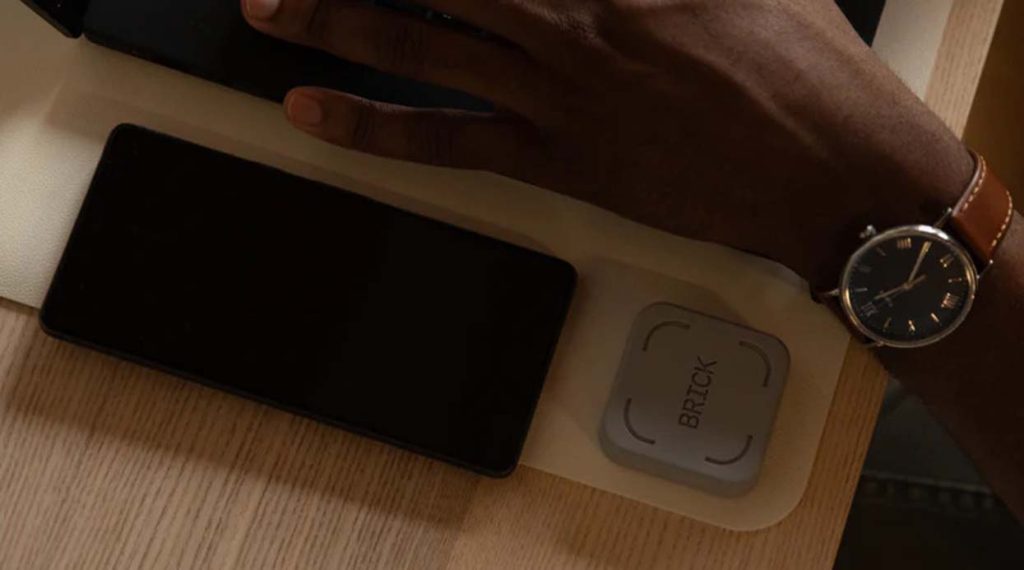
Moreover, Brick‘s design allows you to enjoy blocked, focused time without forced or complicated settings. This is not a constraint, but a lifestyle adjustment that gives you real-world choices.
Whether you’re a student, a working professional, a stay-at-home mom, or someone suffering from insomnia, my friends are all using Brick to improve their lives, and the results are almost identical: from unconsciously scrolling through screens to actively using it, from feeling like time is being stolen to regaining control, every day is clearer and more efficient.
Regain Time and Focus: Brick makes your phone an asset, not a distraction
Brick is more than just a tool to quit using your phone; it’s a magic tool that lets you regain control of your life’s rhythm. With a simple tap each day, you can enjoy uninterrupted time, transforming your phone from a source of distraction into a true tool for growth. This 30-day experience has made me realize that focus and control don’t come from willpower, but from design and environment, and Brick has achieved this.