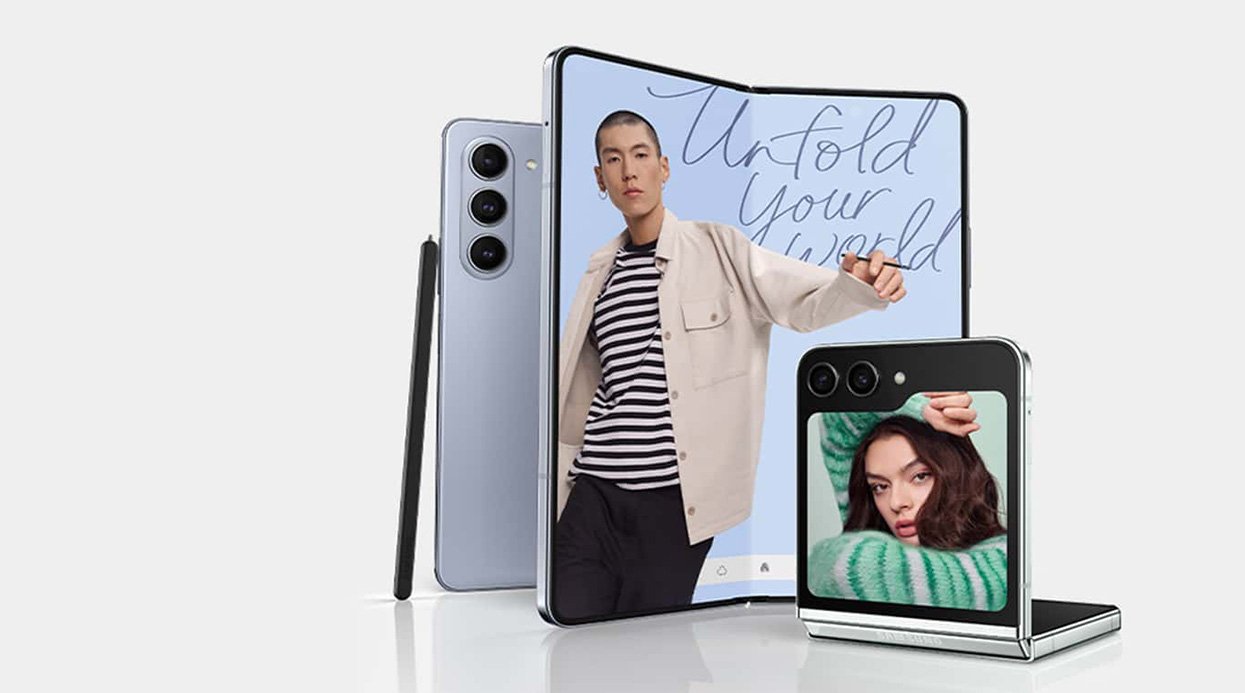
In recent years, foldable phones have stood at the forefront of smartphone innovation, evolving from experimental prototypes to market bestsellers. With advancing technology and growing user demand, foldable phones have gradually overcome many early flaws and limitations, becoming a major focus for mainstream consumers. By 2025, I personally tested several newly released foldable phones and found that this generation has reached an unprecedented level of maturity in design, durability, and functional optimization.
1. Appearance and Design: The Dual Challenge of “Aesthetics and Durability” for Foldables
The Samsung Galaxy Z Fold5 continues the Fold series’ trend toward a thinner and lighter body, reducing its thickness further while keeping the weight around 254 grams. The hinge feels refined, with the crease significantly less noticeable than previous generations. When folded, the cover screen measures 6.2 inches; unfolded, it expands to 7.6 inches with an approximate 16:10 aspect ratio. This offers a tablet-like visual experience, ideal for multitasking.
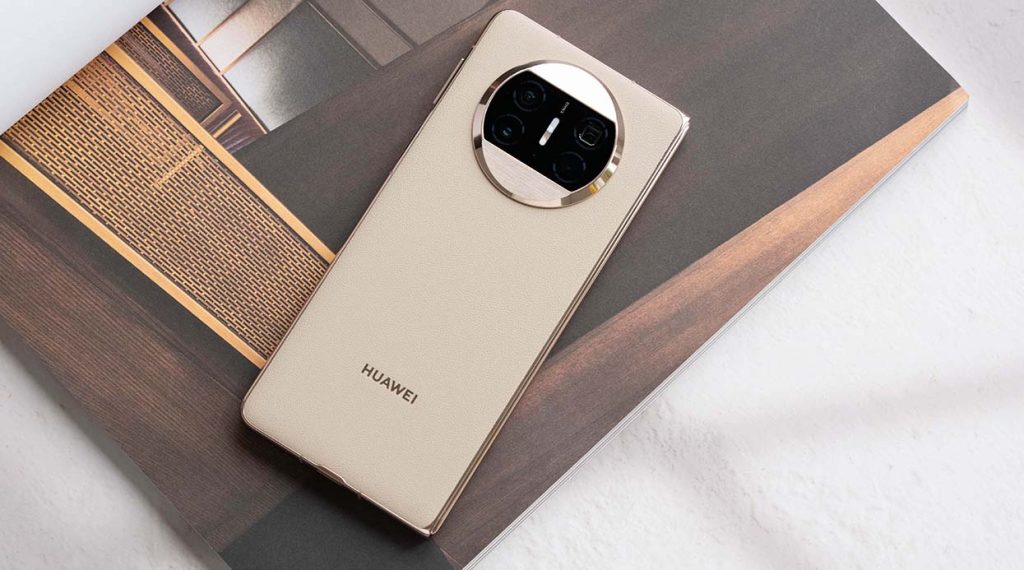
Huawei Mate X3 uses an outward folding design with an 8-inch flexible OLED screen when unfolded, featuring extremely narrow bezels for strong visual impact. The body is made from aerospace-grade titanium alloy, giving it a solid feel and excellent texture. Its folded thickness is slightly greater than the Galaxy Fold5 but still comfortable to hold.
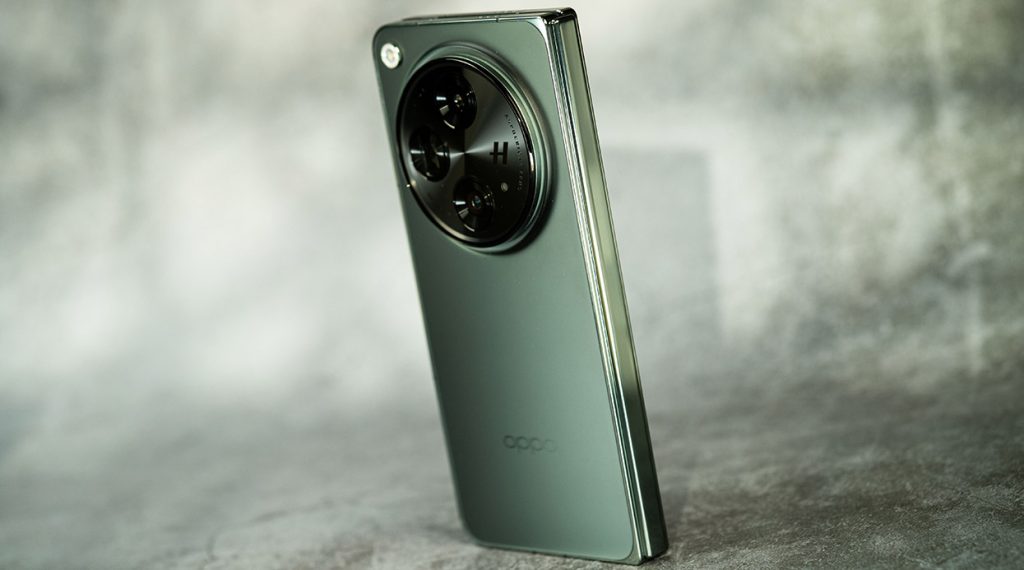
OPPO Find N3 shines with its compact foldable design, weighing about 240 grams, making it the lightest among the three. Its inward folding screen measures 7.1 inches, with an optimized aspect ratio suitable for one-handed use. The hinge technology has been upgraded to support 360-degree folding, and the crease is nearly invisible, balancing practicality and durability.
Each model has its own strengths in design: Samsung Fold5 focuses on balancing thinness with a large screen experience; Huawei Mate X3 emphasizes screen size and build quality; OPPO Find N3 prioritizes ultimate portability and folding experience.
2. Display Performance: Color, Refresh Rate, and Practicality
Samsung Galaxy Z Fold5 features a Dynamic AMOLED 2X main screen with an adaptive 120Hz refresh rate and a resolution of 2176×1812 pixels. The color accuracy is extremely high, and HDR10+ support enhances video impact. When watching 4K HDR videos or playing large games, the visuals are crisp and smooth.
Huawei Mate X3’s 8-inch flexible OLED has a resolution of 2480×2200 and supports a 120Hz refresh rate. The color saturation and brightness are also outstanding, maintaining stable visibility under outdoor sunlight. Huawei additionally optimized the screen’s eye-care mode, improving long-term reading comfort.
Though slightly smaller in size, OPPO Find N3 uses LTPO OLED technology, allowing a smart adjustment between 1Hz and 120Hz refresh rates. This effectively balances smoothness with battery life. During daily browsing or video watching, the refresh rate automatically lowers to save power, then quickly ramps up during gaming or animations, resulting in a very natural experience.
All three offer excellent visual experiences: Samsung’s screen is precise in color, Huawei’s is large and bright, and OPPO achieves a balance between battery life and smoothness through intelligent refresh rate control. Your choice depends on your preference for screen size and usage scenarios.
3. Performance and System: Multitasking and Foldable Optimization
In terms of performance, Samsung Galaxy Z Fold5 is powered by the Qualcomm Snapdragon 8 Gen 2 flagship chip and equipped with 12GB of RAM, delivering very fast operation. Samsung has optimized multi-window and split-screen features for multitasking, supporting continuous app running and drag-and-drop interactions. Switching between folded and unfolded modes is smooth and seamless.
Huawei Mate X3 uses the Kirin 9000S chip and runs HarmonyOS 4. The system responds quickly, and ecosystem compatibility continues to improve. Notably, Huawei has deeply optimized multitasking for foldables, supporting more native app split-screen and floating windows to enhance work efficiency.
OPPO Find N3 is equipped with the Dimensity 9200+ processor and 12GB of RAM, running a deeply customized ColorOS 13.2. Its system excels in multitasking and gaming performance. The foldable screen adaptation is meticulous, delivering smooth, lag-free experiences in video playback and social apps.
In daily use, all three handle high-load tasks well. Samsung Fold5 leads in multitasking optimization details; Huawei Mate X3’s ecosystem has improved but some third-party apps still need better adaptation; OPPO Find N3 impresses with gaming performance and fluidity.
4. Camera Experience: Foldables Can Also Deliver Flagship-Level Photography
Photography remains a critical feature for flagship phones. Samsung Galaxy Z Fold5 sports a triple camera setup: a 50MP main sensor, 12MP ultra-wide, and 12MP telephoto lens supporting 3x optical zoom and advanced night mode. It captures rich details and realistic colors.
Huawei Mate X3 has a 50MP main sensor (RYYB), 13MP ultra-wide, and an 8MP periscope telephoto lens with 10x hybrid zoom. Its night mode and portrait mode are excellent, producing high-quality photos with rich details and natural bokeh effects.
OPPO Find N3’s main camera is 50MP, paired with a 5MP auxiliary camera supporting 2x optical zoom. Although the hardware is slightly behind, AI algorithms improve photo quality, ensuring clear and delicate everyday shots. The front camera performs well for selfies and video calls.
Overall, Samsung and Huawei lead in camera hardware and algorithms, especially in zoom and night shooting. OPPO relies on software optimization to enhance photography, suitable for daily shooting needs.
5. Battery Life and Charging: Endurance for Foldables
Samsung Galaxy Z Fold5 houses a 4400mAh battery, supporting 25W wired fast charging and 15W wireless charging. In actual use, it easily handles a full day of heavy use. Battery drains faster when multitasking and gaming, but charging speed is satisfying.
Huawei Mate X3 comes with a 4500mAh battery and supports 66W super fast charging, achieving a full charge in about 40 minutes. Battery life is excellent, lasting more than a day with typical use, supported by efficient power management.
OPPO Find N3 is equipped with a 4300mAh battery and supports 67W super flash charging. Charging speed is equally fast, and battery life remains stable during daily use, lasting over a day.
All three excel in battery life and charging speed. Huawei and OPPO have clear advantages in fast charging, while Samsung relies on stable battery management for a balanced experience.
6. Foldable Screen Durability and Actual Usage Feel
Durability is a major concern for foldable phones. Samsung Galaxy Z Fold5 uses the latest upgraded hinge materials and screen protective layers, reducing crease visibility and improving wear resistance. After weeks of use, the screen remains smooth.
Huawei Mate X3’s outward folding design offers natural durability advantages. The frame and screen materials are top-notch, and the hinge is solid and reliable. After prolonged folding and unfolding, no looseness appears.
OPPO Find N3’s upgraded hinge supports 360-degree folding, delivering satisfying durability. During many folding cycles, I felt no looseness or sticking.
All three show mature foldable craftsmanship in daily use, allowing consumers to use them confidently without excessive concerns about durability.
7. Foldable Phones Have Entered Maturity in 2025
After extensive hands-on experience, I believe foldable phones in 2025 have reached a mature stage. Hardware design, screen technology, system optimization, and battery life have far surpassed early prototypes. Samsung Galaxy Z Fold5 suits users who pursue large-screen multitasking and slim design; Huawei Mate X3 targets those who value large visuals and flagship photography; OPPO Find N3, with its portability and excellent system fluency, is ideal for foldable beginners and everyday use.
All three foldable phones are officially available on platforms like Amazon.com. Whether you are an experienced foldable user or considering your first purchase, the maturity and variety of 2025 models can definitely meet your needs.